

Quick Answer — Best way to heat up a leftover seafood boil
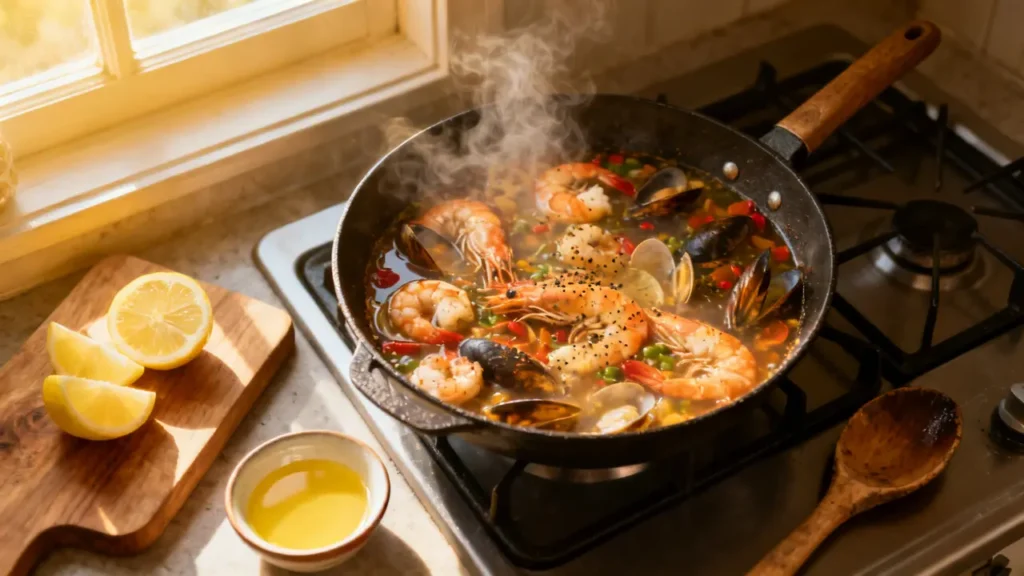
The simplest, safest approach for most leftovers is a covered stovetop simmer: put the seafood boil in a large pot, add 1–2 cups of broth, beer, or water and a knob of butter, cover, and simmer on medium‑low until everything reaches an internal temperature of 165°F (74°C), about 5–12 minutes depending on quantity. The stovetop gives steam and gentle conduction so delicate shrimp and mussels warm through without immediate direct heat that dries them out. If you’re short on time use the microwave for single servings, or use the oven or Instant Pot when texture and even heating matter for larger batches.
We recommend the stovetop for mixed boils because it handles mixed textures—shrimp, crab, potatoes, corn—best. The fastest is the microwave (short bursts at medium power), while the most texture-friendly are oven (325–350°F/163–177°C) or Instant Pot/steam methods. Use a thermometer—if it’s not 165°F, keep heating and check every few minutes.
Safety First — storage & food‑safety rules before reheating
Always check that leftovers were refrigerated within 2 hours of cooking (or 1 hour if it sat above 90°F). Use refrigerated seafood within 3–4 days; freeze for best quality up to about 3 months. If the boil smells off, is slimy, or shows mold, discard it.
When reheating, the USDA recommendation for leftovers is to bring them to an internal temperature of 165°F (74°C). We follow that for safety, especially with mixed items where texture can mask doneness. If using sous‑vide at lower temps, make sure the time/temperature combination is a validated kill step; otherwise aim for the 165°F target for quick, safe reheats.
Before You Reheat — prep checklist
Start by deciding whether your leftovers are refrigerated or frozen: thaw overnight in the fridge when possible; if you must speed up, use a sealed bag in cold water for 30–60 minutes. Separate delicate shellfish (shrimp, lobster, crab) from sturdier items (potatoes, corn, sausage) if you can, because they need different reheat times.
Remove excess old liquid (fatty butter can be saved) and plan your method by quantity: stovetop or Instant Pot for whole pots, oven for larger sheet‑pan style batches, microwave for single servings, and air fryer for crisping sausage or restoring some char to corn. If you’re reheating in the original bag, read its label—some bags are oven/boil safe; others aren’t (see our note below and how to reheat seafood boil in bag).
Reheating Methods — step‑by‑step with times & temps
Pick a method based on batch size and desired texture. Below we give clear, repeatable steps with exact temperatures and times for stovetop, oven, microwave, Instant Pot/steamer, air fryer and sous‑vide, plus tips for frozen reheats. We also link to related posts like our seafood boil recipe for reference on seasoning and original cooking.
Stovetop — simmer method (best overall)
Use a large pot or Dutch oven that lets food sit in one layer or a shallow pile. Add 1–2 cups of broth, beer, or water for a pot-sized batch and a knob of butter, bring to a simmer, then reduce to medium‑low and cover. Reheat for 5–12 minutes from refrigerated (less for small portions), stirring once; verify 165°F (74°C) with a probe.
Why this works: covered heat traps steam (gentler than direct high heat), preventing shellfish from seizing and potatoes from drying. If shrimp feel tight before the temp is reached, keep cover on and warm the liquid gently—it’s the steam that evens the heat without overcooking.
Oven — gentle, even heating (best for larger batches)
Preheat oven to 325–350°F (163–177°C). Spread the boil in a shallow pan, add 1/4–1/2 cup liquid per pound (broth, beer, or seasoned water), cover tightly with foil, and heat for 10–20 minutes depending on volume. Uncover the last 3–5 minutes to crisp sausage or finish corn.
Oven heat is slower and more even, which helps when you have a family‑size tray. Keep the pan covered to trap steam; without it, potatoes and corn dry out quickly.
Microwave — fastest for single servings
Use a microwave‑safe covered dish; work at 50–70% power (medium) in short bursts: for one serving heat for 60–90 seconds, stir, then continue in 30–45 second increments until steaming and 165°F. Let sit covered for 1 minute to finish steaming.
Microwaves heat unevenly, so stirring and a short rest time are essential. This method is great for one or two portions but not recommended for large frozen lumps—use oven/Instant Pot instead.
Instant Pot / Pressure cooker or steamer basket — quick, moist reheat
Place a trivet and the leftovers in a heat‑safe dish or bag on the trivet. Add 1 cup water or broth, use Steam/High for 1–3 minutes from refrigerated and 5–8 minutes from frozen, then quick release. For open steaming in a basket, bring water to simmer and steam for 5–8 minutes.
Instant Pot steaming is fast and gentle—great when you want moist results and a short hands‑on time. See our Instant Pot primer for basics at how to use Instant Pot.
Air Fryer — revive texture (use for sausage & corn)
Air fryers are best for restoring crispness. Set to 325–350°F (163–177°C) and heat sausage links or corn for 4–8 minutes, shaking halfway. For shellfish use only very short bursts (1–3 minutes) to avoid drying.
The air fryer is not ideal for delicate shrimp or mussels unless you’re finishing them briefly after a moist reheat; instead use it to crisp potatoes or sausage after a gentle steam.
Sous‑vide — precision option for delicate seafood
Vacuum‑seal leftovers or use a zipper bag, remove air, and set water bath to 130–140°F (54–60°C) for 20–30 minutes to gently reheat. For food‑safety parity with USDA guidance, use higher temps or validated time/temperature combos; otherwise finish quickly in a hot pan for texture.
Sous‑vide preserves texture best but requires equipment and attention to safe time/temperature guidelines; it’s a great option if you’re comfortable with the method.
Reheating from frozen — protocol
Thaw overnight in the fridge whenever possible. If reheating frozen, use oven, Instant Pot, or steamer and increase times (oven: 25–35 minutes at 325°F; Instant Pot steam: 5–8 minutes). Avoid relying on microwave alone for a big frozen mass—it heats unevenly and can leave cold centers.
If you must microwave from frozen, defrost at 30–50% power in short increments and then finish with a moist method to avoid overcooking the exterior.
Reheating by Component (exact advice per item)
Shrimp, crab, mussels, corn, potatoes and sausage all behave differently when reheated; treat each component appropriately to preserve texture. Below are fast, component‑specific instructions and visual cues so you know when each is done.
Shrimp
Shrimp are delicate—warm them fast and low. Sauté or steam for 1–3 minutes until opaque and just hot; remove immediately. Overheating turns them rubbery, so aim to hit 165°F (74°C) and stop.
Crab & Lobster
Steam or oven‑cover at 325–350°F for 6–10 minutes until hot; whole claws/legs may take a little longer. Avoid microwaving whole shells—use steam or oven for best texture.
Mussels & Clams
Only eat mollusks that opened on initial cook. Reheat by steaming for 2–4 minutes until shells open; discard any that remain closed after reheating. If they were closed before reheating, don’t risk them—discard.
Corn on the Cob
Microwave wrapped in a damp towel for 2–3 minutes or oven at 350°F wrapped in foil for 8–12 minutes. Pan‑sear after reheating for a bit of char if corn got soggy.
Potatoes
Red/small potatoes reheat well in the oven at 350°F for 15–20 minutes or simmer 6–8 minutes in liquid with butter to rehydrate. Brush with butter or oil to restore gloss and flavor.
Sausage
Sear in a skillet or roast at 375°F for 8–10 minutes to revive the casing and crisp the exterior. Start by warming gently if the sausage is in the same pot as delicate items, then finish alone in the pan.
Troubleshooting — common problems & fixes
If shrimp turn rubbery or shellfish are dry, don’t panic—there are rescue options. Short of tossing a whole batch, you can repurpose overcooked seafood into saucy dishes or salads that hide texture issues while remaining delicious and safe.
Common fixes: slice rubbery shrimp and toss into a warm butter‑garlic pasta or salad; shred dry crab into chowder or a creamy dip; roast soggy corn or potatoes briefly at high heat to restore texture. If any mollusk didn’t open on reheating or smells off, discard it.
Personal note: I once reheated a big tray in a too‑hot oven and turned the shrimp rubbery—lesson learned. Now I always separate shrimp and do a quick steam or sous‑vide finish; for large trays we use the stovetop simmer so nothing gets overcooked.
Repurposing Leftovers — 6 easy recipes
When texture is off or you just want something new, repurpose your seafood boil into pasta, chowder, tacos, fried rice, gumbo, or a buttery seafood skillet. Below are quick mini‑recipes you can follow in 15–30 minutes.
- Seafood Boil Pasta: Sauté garlic, add white wine and butter, fold in chopped boil (shredded crab, shrimp), toss with cooked linguine and lemon zest.
- Seafood Chowder: Sweat onion and celery, add stock, diced potatoes, cream, and chopped seafood; simmer 8–10 minutes and finish with parsley.
- Seafood Fried Rice: Stir‑fry day‑old rice with veggies, soy, sesame oil; fold in chopped shrimp/crab at the end for 1–2 minutes.
Printable Reheat Chart (quick reference)
- Stovetop (mixed pot): 1–2 cups liquid, cover, medium‑low — 5–12 min — Best overall
- Oven: 325–350°F (163–177°C), covered — 10–20 min (large batch)
- Microwave: 50–70% power — 60–180 sec for 1 serving, stir every 30–45 sec
- Instant Pot (steam): 1 cup liquid — 1–3 min refrigerated / 5–8 min frozen
- Air Fryer: 325–350°F — 4–8 min (sausage/corn)
- Sous‑vide: 130–140°F — 20–30 min (precision)
Final Serving Tips & Flavor Boosters
Finish reheated seafood with bright, fatty accents: squeeze fresh lemon, scatter parsley, and drizzle drawn butter or garlic butter with a pinch of Old Bay or smoked paprika. A splash of hot sauce or a little chopped celery and onion adds freshness and crunch if texture softened.
Small tricks: brush potatoes and corn with butter before the final roast to revive gloss; toss reheated shrimp immediately with a warm sauce rather than leaving them exposed to heat. Link to related how‑tos for storage and safety where helpful: reheat shrimp boil and bag methods at how to reheat seafood boil in bag.
TL;DR Quick Steps
- Check freshness: use within 3–4 days or freeze.
- Choose method: stovetop simmer for mixed pots; oven/Instant Pot for large batches; microwave for singles.
- Add liquid: 1–2 cups for pots or 1/4–1/2 cup per lb in oven.
- Heat to 165°F (74°C) and serve with lemon and butter.


